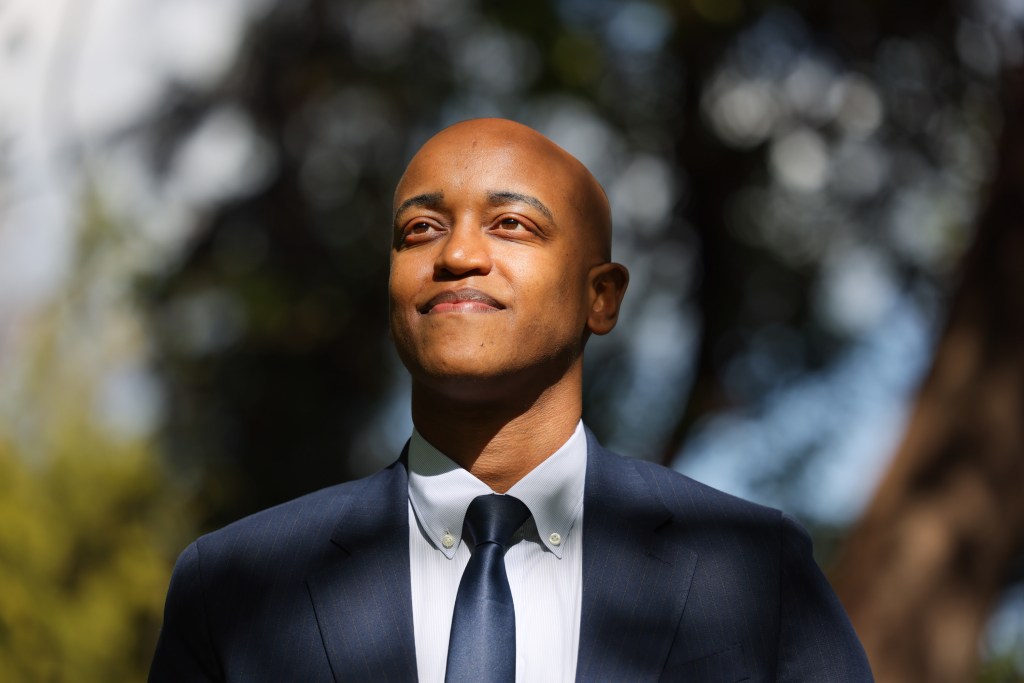
CANDIDATE: Girmay Zahilay, King County Executive Candidate
- Website: https://www.electgirmay.com/
- Instagram: https://www.instagram.com/girmay/?hl=en
- Facebook: https://www.facebook.com/ElectGirmay/
- Bluesky: https://bsky.app/profile/girmayzahilay.bsky.social
- TikTok: https://www.tiktok.com/@girmayzahilay
ARTS PLATFORM
Investing in the arts is essential to building vibrant, healthy, and connected communities across King County. Arts and culture are not luxuries, they are necessities. They are how we tell our stories, celebrate our diverse identities, and solve some of our most persistent problems from homelessness to crime. In a region as rich in cultural heritage as ours, sustained investment in the arts is critical to uplifting and honoring the voices of all people, especially those who have been historically underrepresented and underinvested in.
From supporting youth development and mental health, to creating safe and affirming spaces for our LGBTQIA+ neighbors, to empowering immigrant and BIPOC communities to share their histories and shape our collective future, the arts serve as a bridge between people and a powerful tool for healing and justice. They activate our public spaces, reduce addiction and crime, fuel local economies, and create opportunities for expression and belonging.
As we continue to work toward equity and community well-being in King County, we must prioritize funding for artists, cultural organizations, and creative programming. I committed to doing so as Executive, particularly for those led by and serving underrepresented communities. Investments in our arts communities are investments in the soul of our region.
How do the arts reflect the voices, perspectives, and communities in your district? What are challenges and opportunities?
I feel fortunate to live in a region where we have the opportunity to uplift such a vibrant and diverse range of creatives and communities. Here in King County, we’re surrounded by art that reflects and celebrates who we are, no matter what community we come from. I know how powerful it is to see your cultural identity represented in public murals, on stage, through music, and in storytelling. One of my greatest joys has been attending Blastfest, an Afrobeats concert at Seattle Center with my wife, an experience that allowed us to have fun and connect deeply with our community.
But these opportunities do not exist without challenges. Across the country artists from marginalized backgrounds are increasingly under attack. This includes rising harassment, censorship, and the erosion of safe spaces to create and perform. We’re also witnessing federal funding cuts to DEI programs, stripping away critical support for communities of color, LGBTQIA+ artists, and other underrepresented groups.
In addition, artists face many of the same barriers as others in our communities: unaffordable housing, rising costs of living, and limited access to stable funding. These pressures make it even harder for artists, especially those from historically excluded backgrounds, to thrive and continue their work.
King County has both the opportunity and the responsibility to lead with vision and action. That’s why I was proud to support the Doors Open Arts and Culture Levy, and to fight for a bold and inclusive vision of how it can serve our communities. As Executive, I would remain a committed partner and work closely to ensure that we continue to make investments in our arts programs across the county, paying special attention to our underserved communities.
How do you envision the arts as part of Seattle, especially as part of critical issues including access, affordability, displacement, education, and racial equity? Do you have any policy ideas around addressing these issues?
I envision the arts as a core part of building a more just, inclusive, and thriving King County. The arts are not separate from our region’s most pressing issues, they are deeply intertwined with them.
King County’s artists, especially those from BIPOC, immigrant, LGBTQIA+, and youth communities, have long been leaders in community justice, healing, and belonging. But far too often, they’re also the first to be displaced and the last to receive investment. If we’re serious about equity, then supporting the arts can’t be an afterthought. It must be embedded in our policy and planning.
As a Councilmember, I’ve worked closely with community organizations like Creative Justice NW to do just that. I championed the campaign to build the Youth Achievement Center, collaborating with Creative Justice, Africatown Community Land Trust, and Community Passageways to get Sound Transit to donate land and provide housing. The Center will be a safe space where young people impacted by systemic injustice can access stable housing and use art, creativity, and restorative justice as tools for growth and transformation.
I also led an amendment to the King County Doors Open program that addresses these intersections directly. My amendment ensures the program’s funding prioritizes access, equity, and sustainability in the arts. It requires recommendations that:
- Bring together cultural organizations and leaders to revitalize commercial and neighborhood centers
- Expand access by leveraging programs like Building for Equity and Launch Grants to support partnerships with cultural organizations
- Support and retain cultural workers through stronger recruitment and career pathways
- Transform vacant properties and public spaces into vibrant community art and cultural venues
The aftershocks of Covid and federal arts funding cuts are still being felt by artists and cultural organizations. Please share policy ideas you may have that aim to stabilize the cultural industry and increase cultural engagement to increase quality of life for communities across King County/Seattle? If you don’t have policy ideas right now, what process would you initiate to determine new opportunities in these areas?
We need long-term strategies to stabilize our cultural economy. Especially for historically underfunded communities, particularly BIPOC- and LGBTQIA+-led organizations, these challenges are compounded by structural inequities and displacement pressures.
As Executive, I’m dedicated to building a region that allows everyone to thrive and I see the arts as a critical component to many of my policies.
For example, for tackling our housing crisis, I am committed to increasing access to capital, streamlining permitting and cutting red tape, and supporting zoning for greater density. We’ll update zoning laws to allow for more housing in urban areas, helping us meet the needs of our growing population. And as we do so, we must include our arts community.
We can update zoning to prioritize arts and cultural spaces in high-displacement areas. That means supporting land trusts, long-term leases, and public land for artist housing and legacy cultural spaces.
I’m committed to also meeting with our region’s stakeholders and listening to what your priorities and needs are. Policy should always be made with input from those most impacted and, as Executive, I’ll ensure King County takes that approach.
How do you plan to work with governmental agencies including the Office of Arts and Culture and the Seattle Arts Commission?
I plan to work closely and intentionally with our region’s arts-focused governmental agencies, including the Office of Arts and Culture, the Seattle Arts Commission, and 4Culture. These institutions play a vital role in ensuring that arts and culture are integrated across policy, planning, and community development.
As a Councilmember, I worked in close partnership with 4Culture while crafting my amendment to the Doors Open legislation. That amendment centered equity, access, and sustainability for cultural spaces and workers. As Executive, I will continue that level of meaningful engagement and elevate the role of these agencies in decision-making processes that shape our region.
Describe a meaningful arts experience that has stayed with you over time. How have the arts affected your life?
One of the most meaningful arts experiences in my life is the annual Hometown Heroes Awards that I organize and host at the Paramount Theatre in Seattle. The Paramount is a historic and iconic cultural facility, and each year it becomes the backdrop for a beautiful and powerful celebration for my campaign.
Hometown Heroes brings together people from all across King County to recognize and honor unsung heroes who are making a real impact in their communities. We celebrate their contributions with music, storytelling, and moments of deep connection. It’s not a formal awards show. It feels more like a family reunion, a reminder of how much good is happening all around us.
What makes this experience so memorable each year is how the arts and cultural spaces allow us to gather in ways that are joyful, moving, and unifying. The arts have played a big role in my life because they give us a space to see and celebrate each other’s humanity. They help us tell our stories, build bridges across differences, and come together around what matters. For me, the Hometown Heroes Awards are a powerful reminder of that.
 Seattle Arts Voter Guide