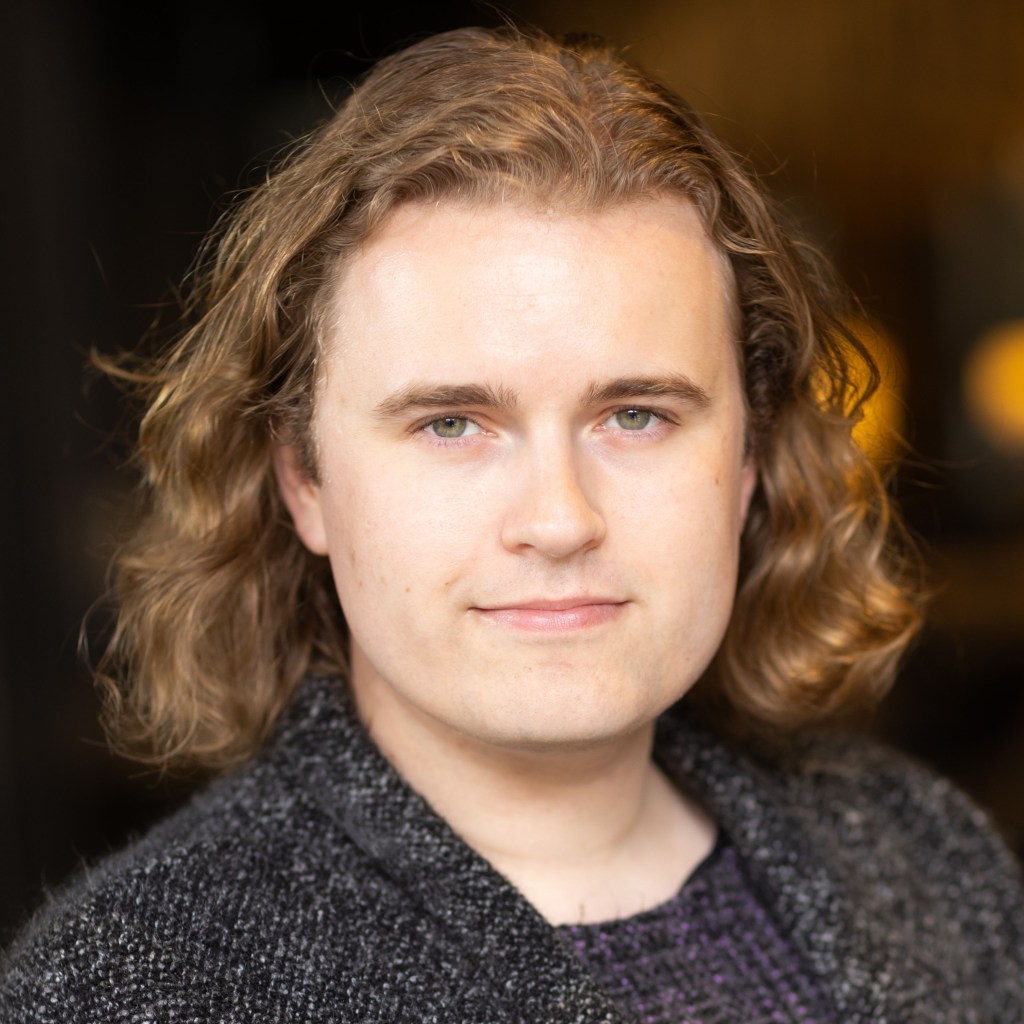
CANDIDATE: Ry Armstrong, Seattle Mayoral Candidate
- Website: https://armstrongforall.com/
- Facebook: https://www.facebook.com/ryontheryse
- Instagram: https://www.instagram.com/ryontheryse/
- Tiktok: tiktok.com/@ryontheryse
- Bluesky: https://bsky.app/profile/ryontheryse.bsky.social
ARTS PLATFORM
Arts are not a luxury: they are a lifeline. As a lifelong artist and arts advocate, I believe in a Seattle where creativity is treated as essential infrastructure. My arts platform centers public investment in community-rooted cultural spaces, fair pay for artists, and arts education that reflects the full diversity of our city. I support permanent funding for the Seattle Office of Arts & Culture, affordable space for artists to live and create, and stronger protections for cultural workers. I will champion policies that uplift BIPOC, LGBTQ+, immigrant, and disabled artists because a thriving arts ecosystem must reflect and serve all of us. Seattle’s future must be creative, courageous, and collective, and the arts will help lead us there.
How do the arts reflect the voices, perspectives, and communities in your district? What are challenges and opportunities?
The arts in our city reflect a rich mosaic of creatives using their craft to speak truth to power. From community murals to spoken word, from drag shows to youth theater, art here is a tool for survival, storytelling, and solidarity. Yet, too many of these voices are under threat. Gentrification, rising rents, and the loss of affordable creative space are silencing the very communities that have made Seattle vibrant. The challenge isn’t a lack of talent: it’s a lack of investment and protection. The opportunity lies in reimagining public policy to treat artists as workers, cultural spaces as essential, and the arts as a strategy for justice. By funding community-led arts, supporting cultural preservation, and creating pathways for youth and marginalized voices, we can build a city where creativity is not just celebrated, but sustained.
How do you envision the arts as part of Seattle, especially as part of critical issues including access, affordability, displacement, education, and racial equity? Do you have any policy ideas around addressing these issues?
I see the arts as essential to how we address access, affordability, displacement, education, and racial equity. Creative spaces are community anchors and when artists are pushed out, so is culture and connection. I support policies that fund BIPOC-led arts organizations, preserve affordable cultural spaces, and integrate arts into public education and climate resilience. Art should not just survive in Seattle: it should lead.
The aftershocks of Covid and federal arts funding cuts are still being felt by artists and cultural organizations. Please share policy ideas you may have that aim to stabilize the cultural industry and increase cultural engagement to increase quality of life for communities across King County/Seattle? If you don’t have policy ideas right now, what process would you initiate to determine new opportunities in these areas?
To stabilize and grow our cultural sector, we need to start by listening, not to consultants or institutional producers, but to the working artists themselves. They know what’s needed because they’re living it: shrinking opportunities, unsustainable pay, and a post-COVID landscape that still hasn’t recovered. I support fully leveraging the new King County Doors Open program to invest directly in artists and keep cultural spaces alive, especially those serving BIPOC, LGBTQ+, disabled, and immigrant communities. I’d partner with the County to create accountability structures that center artist voices in funding decisions and program design. We also need to reverse the trend of consolidation in the arts. As more organizations contract or merge, fewer jobs and fewer platforms are left. I’d pursue policies that expand (not shrink) arts opportunities through community wealth-building models, living-wage standards, and city-owned cultural spaces that can be stewarded by artists themselves. Art is infrastructure, and it’s time we fund it like it.
How do you plan to work with governmental agencies including the Office of Arts and Culture and the Seattle Arts Commission?
I plan to work closely and collaboratively with the Office of Arts & Culture and the Seattle Arts Commission by showing up consistently, listening deeply, and treating these bodies as essential partners in shaping equitable cultural policy. As a former commissioner on the Seattle LGBTQ Commission, I understand how to engage commissions meaningfully, not as symbolic advisors, but as sources of lived expertise that should directly inform city decision-making. My elected service on the National Council of Actors’ Equity Association also gives me firsthand experience navigating complex policy landscapes, advocating for arts workers, and building consensus across diverse stakeholders. I’ll bring that same approach (rooted in respect, transparency, and follow-through) to every agency and commission I work with as mayor.
Describe a meaningful arts experience that has stayed with you over time. How have the arts affected your life?
The arts have been nothing short of a lifeline — a vivid, breathing sanctuary where my identity as a queer, trans, non-binary person found not only expression but radical affirmation. One experience that remains etched in my soul is a community theater production where I first saw a character who embodied the fluidity and complexity of my own existence. Watching their story unfold on stage, unapologetically true and beautifully raw, broke through years of silence and invisibility. It was the moment I realized the arts don’t just reflect reality. They create new worlds where healing, understanding, and belonging can flourish. The arts have saved me by offering a space where I could reclaim my narrative, reject imposed norms, and envision a future where my full self is seen and valued. They have been the vessel for courage when the world seemed unwelcoming, the language when words failed, and the beacon guiding me through darkness. More than entertainment the arts are a powerful force of transformation, they have shaped my resilience, deepened my empathy, and inspired my commitment to build communities where everyone’s story can shine. In this ever-changing journey, the arts remain my refuge and my rallying cry, a testament to the profound power of creativity to heal, liberate, and transcend.
 Seattle Arts Voter Guide